
Following brutal attacks, Venice community brainstorms new safety measures
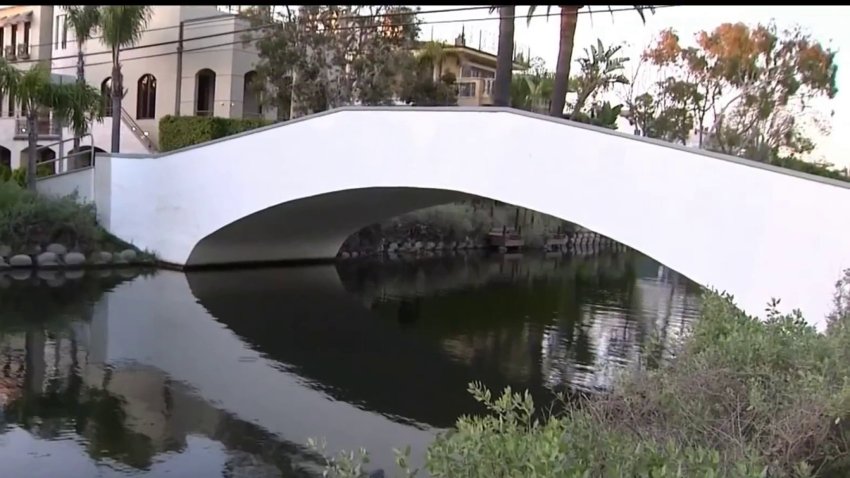
Residents who live near the Venice canals gathered Thursday to discuss new safety measures to adopt weeks after two women were brutally assaulted in the area.
Residents who live near the Venice canals gathered Thursday to discuss new safety measures to adopt weeks after two women were brutally assaulted in the area.
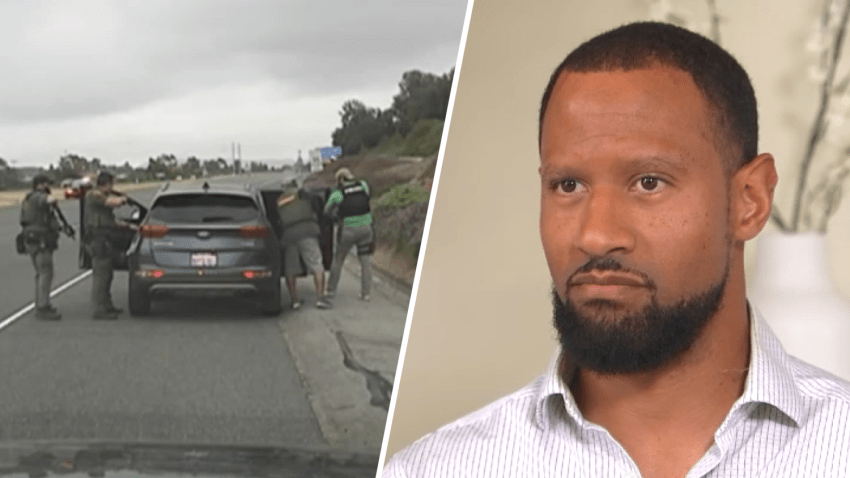
Jamie Rodgers was nearly arrested by the Orange County Auto Theft-Task Force, for driving a vehicle that the officers believed was stolen.

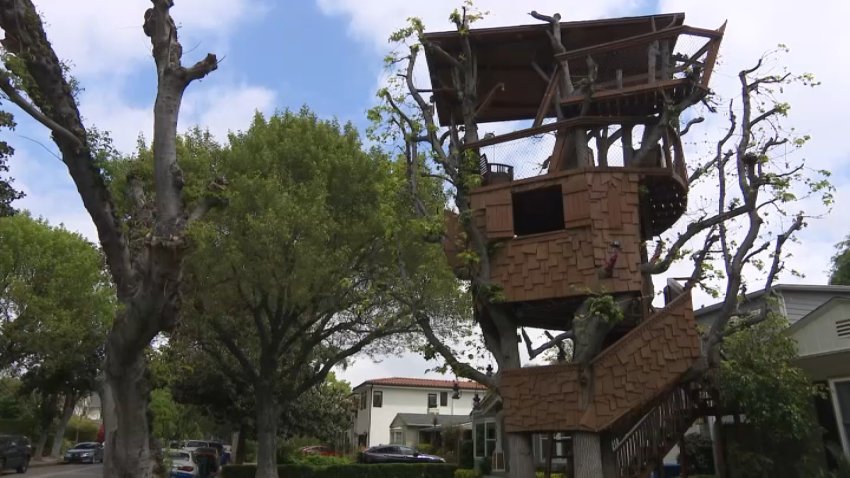
A Sherman Oaks treehouse that brought joy to thousands of people every Halloween for the greater part of two decades could be torn down soon.

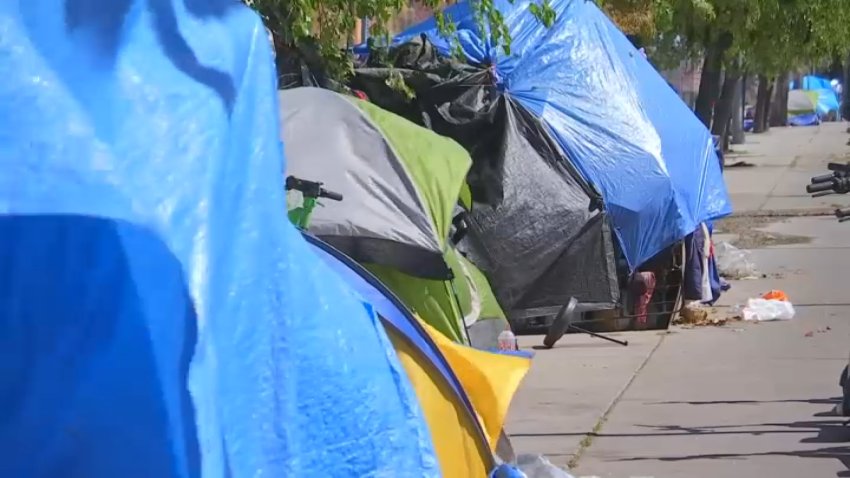
The block of El Centro Avenue at the Hollywood Walk of Fame remains free of tents, nine months after LA’s Inside Safe program dismantled an encampment there and offered motel rooms to the unhoused.
Two of Los Angeles County’s juvenile facilities were recently allowed to continue operating in part because they beefed up staffing.

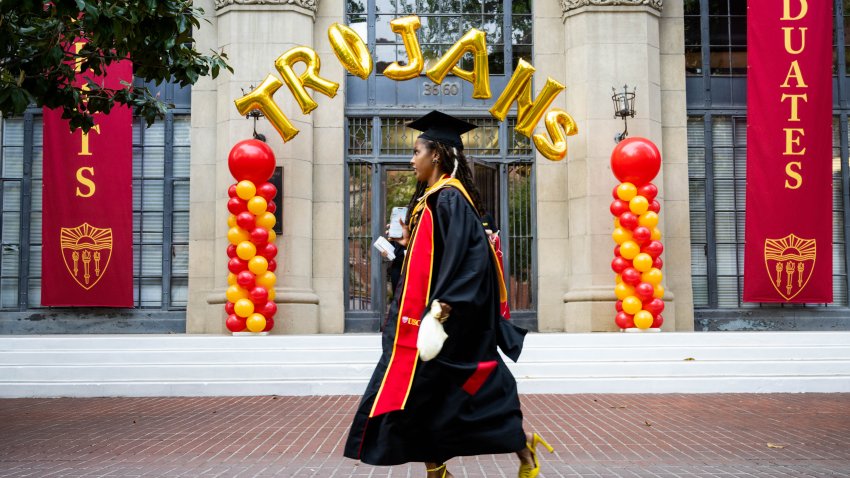
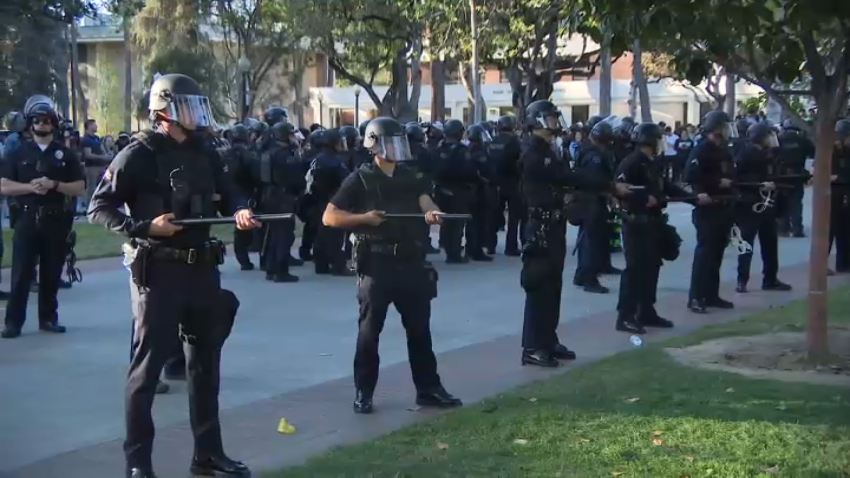
The University of Southern California announced Thursday it was canceling one of the key events of the 2024 commencement ceremonies amid unrest following Wednesday’s mass protest on campus and the cancelation of the undergraduate valedictorian’s commencement speech.

In response to a pro-Palestinian demonstration on the University of California Los Angeles campus on Thursday, pro-Israeli supporters counter-protested the cause as universities across the U.S. face unrest due to the anti-war movement.

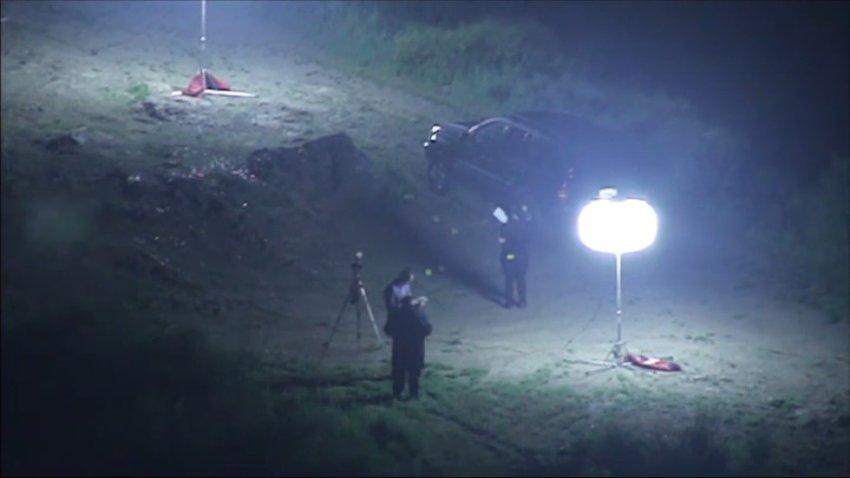
A homicide investigation is underway after a man was found dead in Malibu, according to the Los Angeles County Sheriff’s Department.

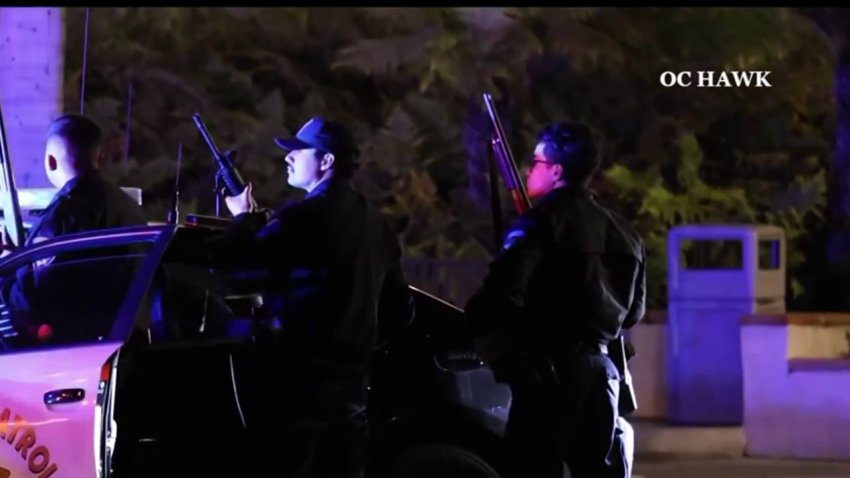
A little more than a week after a man allegedly went on a shooting rampage through a Marina del Rey apartment complex, neighbors there are meeting with the LA County Sheriff’s Department to share their concerns.
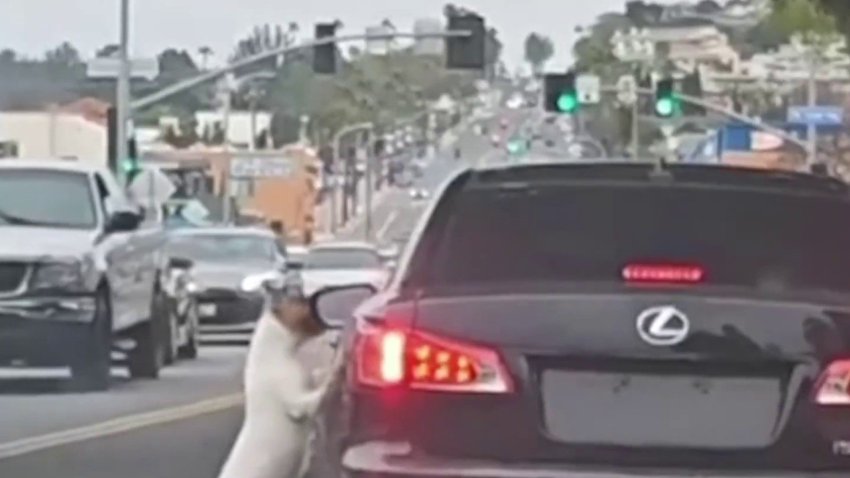
A social media post of a small Bull Terrier mix desperately chasing its owner’s car struck a chord with dog lovers in Long Beach.
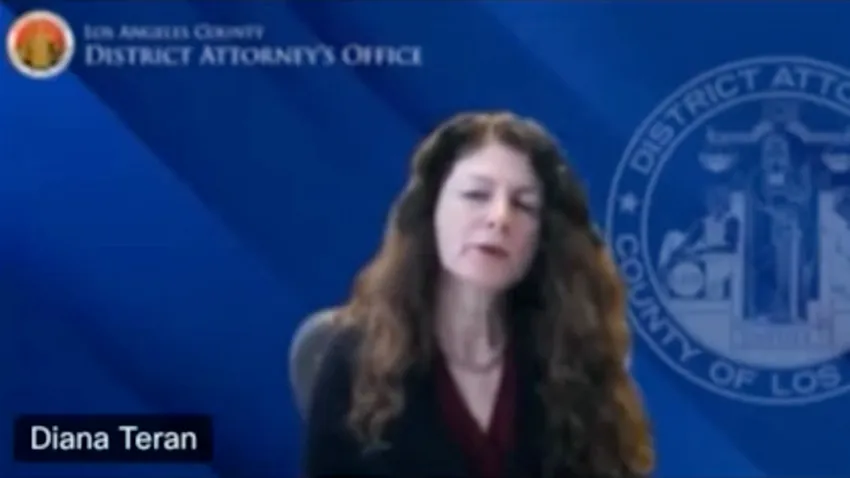
The head of the Los Angeles County District Attorney’s Office Ethics and Integrity Unit was charged Wednesday by the California Attorney General’s Office — with allegations she unlawfully accessed confidential files that contained legally-protected information about local law enforcement officers.